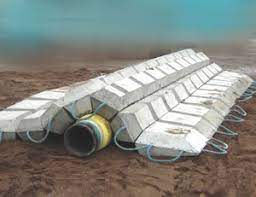
Reliable Geotextile Solutions for Subsea Engineering
Subsea engineering projects involve the design, installation, and protection of infrastructure in demanding underwater environments. Pipelines, cables, crossings, and other subsea structures can be exposed to strong currents, waves, seabed movement, erosion, and scour.
Geotextile sand bags provide a flexible and cost-effective solution for a range of subsea engineering applications. They can help stabilize the seabed, protect underwater infrastructure, and reduce the effects of erosion and sediment movement.
What Are Geotextiles?
Geotextiles are permeable polypropylene or polyester fabrics designed to filter, separate, protect, reinforce, and drain soil selectively. Their strength, permeability, and flexibility make them suitable for construction, marine, petrochemical, quarrying, and underwater applications.
Geotextile products are widely used in:
Subsea engineering
Seabed stabilization
Underwater pipeline protection
Embankments
Retaining structures
Reservoirs and canals
Dams
Riverbank protection
Coastal protection
Erosion and scour control
Geotextile Sand Bags for Subsea Engineering
Geotextile sand bags are manufactured from durable geotextile fabrics and filled with sand or suitable aggregate. They can be strategically placed on the seabed and around underwater infrastructure to provide stabilization and protection.
Their flexible construction allows them to conform to uneven seabed profiles. This makes them suitable for projects where the underwater terrain may vary or where sediment movement is expected.
Geotextile sand bags can be used for:
Seabed stabilization
Subsea pipeline protection
Pipeline ballast
Scour protection
Erosion control
Subsea crossing protection
Cable and underwater infrastructure protection
Coastal and marine stabilization
Geotextile Grout Bags and Concrete Mattresses
For subsea projects requiring a stronger protective layer, geotextile grout bags and concrete mattresses provide an effective solution.
These products are made from double-layer, high-strength polyester and polyamide fabrics and are available in various sizes. Filling vents allow concrete or cementitious material to be pumped into the mattress during installation.
As the mattress is filled, excess water passes through the fabric pores while the concrete remains contained. After curing, the concrete-filled mattress forms a flexible and durable protective layer over the designated area.
Typical subsea applications include:
Underwater pipeline protection
Pipeline ballast and stabilization
Seabed protection
Scour and erosion control
Bank and slope stabilization
Coastal protection
Underwater concrete formwork
Marine infrastructure protection
Sand Bags for Underwater and Coastal Protection
Sand bags provide a cost-effective form of shoreline and marine armoring. They can be stacked or arranged to form stable protective structures that help reduce erosion caused by waves and currents.
In subsea applications, geotextile sand bags can be incorporated into an engineered protection system to stabilize vulnerable seabed areas and help protect nearby underwater infrastructure.
The appropriate installation method depends on water depth, current velocity, wave conditions, seabed material, scour risk, and project-specific design requirements.
Benefits of Geotextile Solutions in Subsea Engineering
Geotextile systems offer a combination of strength, flexibility, and permeability that makes them suitable for demanding underwater environments. They can adapt to uneven surfaces while helping control sediment movement and reduce erosion.
Geotextile sand bags, grout bags, and concrete mattresses can be used individually or combined to address different subsea protection requirements.
A properly engineered system can help improve seabed stability and provide protection for underwater infrastructure throughout the intended service life.
Choose Geotextile Sand Bags for Subsea Engineering
Successful subsea engineering requires reliable solutions capable of performing under challenging marine conditions. Geotextile sand bags provide a versatile and economical option for seabed stabilization, pipeline protection, scour control, and subsea crossings.
For applications requiring enhanced structural protection, geotextile grout bags and concrete mattresses can provide additional durability and stability.
Subsea Engineering with Geotextile Sand Bags