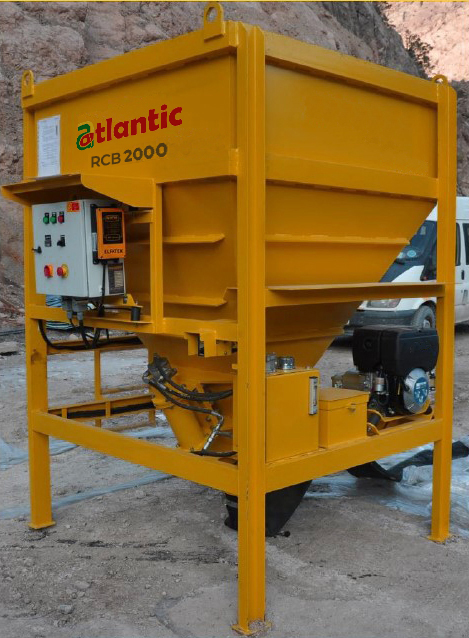
Advanced Construction Site Safety Solutions by ACE CENTRO ENTERPRISES
ACE CENTRO ENTERPRISES is a UAE-based Rental Solution Provider specializing in heavy machinery and equipment for construction, infrastructure, industrial, and marine applications. We support project teams by helping them identify suitable equipment solutions that contribute to safer, more controlled, and efficient site operations.
Enhanced site safety equipment plays an important role in reducing operational risks, protecting workers, improving equipment handling, and supporting compliance with project-specific health, safety, and environmental (HSE) requirements.
From heavy equipment handling and concrete placement to restricted-access construction areas and industrial operations, selecting appropriate safety equipment is essential for maintaining a well-organized worksite. ACE CENTRO ENTERPRISES supports equipment rental requirements across Abu Dhabi, Dubai, Sharjah, and the wider UAE and Middle East, subject to equipment availability and technical suitability.
What Is Enhanced Site Safety Equipment?
Enhanced site safety equipment refers to equipment, accessories, and operational support systems designed to improve safety during construction, infrastructure, industrial, and equipment-handling activities.
These solutions may include protective barriers, lifting accessories, access-control systems, warning devices, equipment safety features, fall-protection systems, and other measures selected according to the risks associated with a particular job.
For projects involving heavy machinery, concrete placement, material handling, excavation, or lifting operations, safety measures should be integrated into the work plan from the beginning rather than introduced only after a hazard has been identified.
Types of Construction Site Safety Equipment
1. Site Barriers and Restricted-Access Systems
Physical barriers help separate active work zones from pedestrian routes, vehicle movements, and unauthorized personnel.
Common applications include:
Construction and infrastructure sites
Concrete pouring and material-handling zones
Excavation and trenching areas
Crane and heavy equipment operating zones
Temporary restricted-access work areas
Suitable barriers, warning signs, and exclusion zones should be established according to the site risk assessment and project HSE requirements.
2. Personal Protective Equipment (PPE)
Personal protective equipment helps protect workers from hazards associated with construction and industrial activities.
Depending on the task and risk assessment, PPE may include:
Safety helmets
Protective footwear
High-visibility clothing
Safety glasses and face protection
Suitable gloves
Hearing protection
Respiratory protection
Fall-arrest equipment where required
PPE must be appropriate for the specific hazard, correctly fitted, inspected, and used in accordance with applicable safety procedures. It should complement, not replace, engineering controls and safe working practices.
3. Lifting and Load-Handling Safety Equipment
Construction activities involving cranes, concrete buckets, lifting accessories, and heavy machinery require appropriate equipment and lifting controls.
Relevant safety provisions may include:
Certified lifting accessories where required
Approved lifting points and compatible attachments
Load-rating and identification information
Suitable rigging arrangements
Inspection and maintenance records
Tag lines and communication systems where appropriate
Lifting equipment must be selected for the intended load and operating conditions. Personnel should remain outside suspended-load danger zones, and lifting operations should be planned and supervised by competent personnel.
4. Heavy Machinery Safety Features
Heavy equipment can create hazards through movement, reversing, blind spots, unexpected operation, and interaction with workers.
Depending on the machine and application, relevant safety features may include:
Audible reversing alarms
Warning lights and beacons
Mirrors and visibility aids
Emergency-stop systems where fitted
Guarding and protective covers
Safety interlocks where applicable
Equipment isolation and lockout provisions
Safety features should be verified for the specific machine. Operators must receive appropriate training, and equipment should be inspected before use in line with the manufacturer's recommendations and site procedures.
5. Fall-Protection and Safe-Access Equipment
Work at height requires suitable access arrangements and protection against falls. The required solution depends on the work location, duration, and risk assessment.
Potential measures include:
Approved guardrails and edge protection
Suitable access platforms
Properly selected and inspected harnesses
Compatible anchorage and fall-arrest systems
Safe ladders or access equipment for appropriate tasks
Barricades around openings and exposed edges
Collective protection, such as guardrails and properly designed platforms, should generally be considered before relying on personal fall-arrest equipment. Any fall-protection system must be suitable for the work and supported by a rescue plan where applicable.
6. Electrical and Equipment Isolation Safety
Electrical equipment, temporary power supplies, and machinery maintenance activities require appropriate isolation and protection.
Safety provisions may include suitable electrical enclosures, cable protection, grounding or earthing arrangements, lockout/tagout equipment, and emergency isolation systems, as applicable.
Before maintenance or repair work begins, hazardous energy sources should be identified and isolated using the approved procedure. Only qualified and authorized personnel should carry out electrical work.
7. Traffic Management and Vehicle Safety Equipment
Construction sites often have moving vehicles, delivery trucks, mobile equipment, and pedestrian traffic operating in close proximity.
Traffic safety measures may include:
Temporary traffic barriers
Cones and warning signs
High-visibility markings
Reversing alarms and visibility aids
Designated pedestrian walkways
Clearly marked vehicle routes
Banksmen or trained traffic marshals where required
A site traffic management plan helps reduce the risk of collisions and improves coordination between operators, drivers, workers, and visitors.
8. Emergency Response and Warning Equipment
Emergency equipment helps workers identify hazards, communicate incidents, and respond appropriately.
Depending on the site requirements, this may include first-aid supplies, fire extinguishers, emergency alarms, suitable communication devices, spill-control materials, and clearly displayed emergency information.
Equipment selection and placement should follow the site's emergency response plan, applicable regulations, and relevant fire and safety requirements.
Enhanced Safety Equipment for Concrete Handling and Placement
Concrete placement operations can involve heavy buckets, cranes, hoses, mobile equipment, wet concrete, and uneven working surfaces. Appropriate controls are necessary to reduce the risk of injury and equipment damage.
Important safety considerations include:
Concrete buckets: Confirm rated capacity, lifting-point integrity, discharge mechanism condition, and compatibility with the lifting equipment.
Crane operations: Follow an approved lifting plan and maintain safe exclusion zones around suspended loads.
Concrete pumping operations: Where pumps are used, inspect hoses, couplings, restraints, and relevant pressure-related safety provisions.
Work areas: Maintain clear access routes and remove avoidable obstructions.
Worker protection: Use suitable PPE for wet concrete, which can cause skin irritation and chemical burns.
Communication: Establish clear signals between operators, lifting personnel, and the ground team.
Equipment inspections: Check machinery and accessories before operation and remove defective equipment from service.
The appropriate safety controls will vary according to the concrete placement method, the equipment involved, and the approved project procedures.
Enhanced Site Safety Equipment in Abu Dhabi
Abu Dhabi construction, infrastructure, industrial, and oil and gas-related projects may have detailed site-specific HSE requirements. Equipment entering controlled or restricted locations may require inspections, documentation, permits, training, or approvals before mobilization.
ACE CENTRO ENTERPRISES supports customers with equipment rental enquiries and helps identify relevant equipment requirements based on the intended application. Project teams should confirm the applicable client and site requirements before mobilization.
Enhanced Site Safety Equipment in Dubai
Construction projects in Dubai can involve high-rise developments, commercial buildings, infrastructure works, and complex material-handling operations.
Appropriate barriers, lifting accessories, fall-protection arrangements, traffic controls, and machinery safety features can help manage risks associated with busy work areas. Equipment and protective systems should be selected according to the task-specific risk assessment and applicable requirements.
Enhanced Site Safety Equipment in Sharjah and Across the UAE
Industrial facilities, warehouses, construction sites, and infrastructure projects across Sharjah and the UAE require suitable safety arrangements for personnel, vehicles, machinery, and material-handling activities.
ACE CENTRO ENTERPRISES supports equipment rental enquiries for a range of heavy machinery and construction applications. The required safety provisions should be confirmed against the specific equipment, site conditions, and customer HSE procedures.
Site Safety Solutions for the Middle East
Across the Middle East, construction and industrial operations can take place in challenging environments, including remote locations, hot-weather conditions, marine facilities, and large infrastructure sites.
Effective safety planning should consider heat exposure, equipment transportation, visibility, lifting operations, emergency access, worker welfare, and site-specific hazards. Equipment must be suitable for the operating environment and maintained according to the manufacturer's instructions.
ACE CENTRO ENTERPRISES assists customers in evaluating equipment rental solutions for their operational requirements, subject to project location, technical suitability, and equipment availability.
How to Select the Right Site Safety Equipment
Selecting the appropriate equipment starts with understanding the work activity and the hazards involved.
Identify site hazards: Review risks associated with lifting, moving machinery, working at height, electrical systems, excavation, and material handling.
Review the risk assessment: Establish the required engineering controls, protective systems, and work procedures.
Check equipment compatibility: Confirm that safety accessories are suitable for the machine, load, working environment, and intended task.
Verify certification and inspection: Obtain the required inspection reports, certificates, and records where applicable.
Confirm operator competency: Ensure that operators and workers are trained and authorized for their assigned duties.
Plan emergency response: Provide appropriate emergency equipment, communication arrangements, and response procedures.
Inspect and maintain: Conduct pre-use checks and follow the relevant inspection and maintenance schedule.
Confirm site compliance: Verify applicable UAE regulations, client HSE standards, and project-specific requirements before work begins.
No single item of safety equipment can eliminate every hazard. Effective site safety depends on appropriate equipment, competent personnel, planning, supervision, and consistent implementation of approved procedures.
Why Choose ACE CENTRO ENTERPRISES?
ACE CENTRO ENTERPRISES provides equipment rental solutions for construction, infrastructure, industrial, and marine applications throughout the UAE and the wider Middle East.
Rental-focused support: Assistance with identifying equipment suited to specific operational requirements.
Construction equipment experience: Supporting customers with heavy machinery and equipment requirements since 2011.
Application-based guidance: Equipment selection based on the intended task and site conditions.
Regional support: Serving enquiries across Abu Dhabi, Dubai, Sharjah, and other locations, subject to service coverage.
Practical equipment solutions: Support for concrete handling, heavy equipment operations, and other construction-related applications.
Safety requirements and certification status should always be confirmed for the specific equipment and project before mobilization.
Enquire About Construction Site Safety and Equipment Rental
Planning a construction, infrastructure, or industrial project in the UAE? Contact ACE CENTRO ENTERPRISES to discuss your equipment requirements and identify suitable rental solutions for your application.
When making an enquiry, provide the project location, type of work, equipment required, operating conditions, rental duration, and any applicable client HSE requirements. This will help determine the most appropriate equipment options and any documentation needed before deployment.
ACE CENTRO ENTERPRISES — Your Rental Solution Provider for Heavy Machinery and Equipment in Abu Dhabi, Dubai, Sharjah, and the Middle East.
Enhanced Site Safety Equipment in Abu Dhabi, Dubai, Sharjah & the Middle East